Why this change: SEO title uses Title Case to match example CLEAN.docx; H1 stays sentence case with H1: prefix per SOP.
SEO title: South-Facing Windows in Canada: Pros, Cons, and Planning Tips
Why this change: Meta description rewritten for primary intent + safe DIY + when assessment beats cleaning — CTR-focused, no hard-sell ROI claims.
Meta description: Learn the pros and cons of south-facing windows in Canadian homes, from passive winter heat and daylight to summer glare and UV fade, plus practical ways to balance comfort.
Why this change: URL slug stays unchanged so equity and GSC history stay on this URL.
URL slug: https://www.windowscanada.com/whitepages/advantages-and-challenges-of-south-facing-windows.html (unchanged)
Why this change: Full refreshed article below. Every add/delete/replace has a Why-this-change argument. Deleted live blocks keep original hierarchy (H1/H2/H3/list/quote).
Why this change: Retitles this section for clearer intent/scan fit (live “Advantages and Challenges of South-Facing Windows” → refreshed “South-facing windows in Canada: advantages, challenges, and what to plan for”) while preserving hierarchy level. Tightens wording for CCW voice (shorter, plain Canadian English) without changing the underlying technical advice.
Advantages and Challenges of South-Facing Windows
H1: South-facing windows in Canada: advantages, challenges, and what to plan for
Why this change: Invented or implied savings language (“lower heating costs”, “positive return”, “energy bill savings”, “piling energy bills”).
Did you know that south-facing windows are one of the most popular choices for homes in both the US and Canada ? They are excellent at bringing natural light and warmth into the home, especially during harsh winters here in Canada. Here, every hour of daylight is a blessing during the chilly season.
But, with that said, south-facing windows do come with a fair share of challenges that compete against their benefits. Since they bring natural light into the home during daylight hours, you get sunlit interiors and energy-saving benefits. Not to forget, you get a naturally bright ambiance.
However, you also get some unwanted ‘glare’ and overheating too. On top of that, UV damage can become a serious issue, especially if you love your carpets and other interior decor. Without proper planning and design, there are certain inefficiencies.
Let us help you weigh the pros and cons of south-facing windows, so you can make the best decision. Plus, we have got a few practical tips for you as well.
Key Takeaways :
- South-facing windows bring natural light and lead to energy savings through passive heating
- They are ideal for indoor gardens and plans due to optimal sunlight
- Some challenges of these windows include overheating, glare, and even energy loss due to inefficient design or installation
- You should try window treatments and use high-performance glass with strategic landscaping to maximize their benefits
- Consider the regional climate and local weather conditions to make an informed decision

South-facing windows can be one of the best daylight and winter-comfort assets in a Canadian home, but only when glazing, shading, and installation match the exposure.
Why this change: Replaces broken/prose “takeaways” with short scannable bullets covering causes, DIY limits, prevention, and the soft windows-hub fence. Adds the verified 25-year transferable warranty only where a product solution is mentioned — required CCW fact; never “lifetime.” Adds one soft contextual link to the windows hub when replacement is the real fix — keeps transactional intent on /windows.html, not on this blog URL.
H2: Key takeaways
- South facing windows capture the most consistent daylight in Canada and can support passive winter warmth when glass and frames perform well.
- Common downsides include summer overheating, glare, UV fading, and heat loss after dark if units are old or poorly sealed.
- Treatments, exterior shading, and Low-E coatings balance comfort without giving up natural light.
- DIY window films or shades are valid options; Canadian Choice Windows & Doors does not supply or install window film.
- When replacement fits, modern windows with proper installation and a 25-year transferable warranty fix performance at the opening.
Why this change: No window film as a CCW product: ; DIY films/treatments OK in FAQ and treatments section.
H2: What south-facing windows do in a Canadian home
South-facing glass sees the sun track across the sky for most of the day. In winter, a lower sun angle lets more solar energy reach living spaces. In summer, a higher angle can still deliver strong light, which is why south-facing windows Canada homeowners weigh south facing windows pros and cons together.
Orientation does not replace good products or installation. Even well-placed windows underperform when frames leak air, coatings are outdated, or shading is missing.
H2: Advantages of south-facing windows
Why this change: Helen Sin quote uses em dash; body has curly apostrophes and hype (“energy bill savings”, “positive return”).
There’s a reason why nearly all homeowners and residents love south-facing windows, especially during the winter. With that type of placement, the windows bring warmth and a natural ambiance into the place. That means, better passive heating thanks to direct sunlight and potential energy savings. For both homeowners and commercial space owners, it’s a win-win.
H3: Abundant natural light
Why this change: FAQ recommends “UV-blocking window films” without CCW product fence.
Among our clients, the bright ambiance thanks to the south-facing window light is a popular reason for homeowners to invest in triple-glazing or prolonging their functional capacity. They let you capture sunlight from sunrise to sunset, something all homeowners love during shorter days during the harsh winters. Some other benefits include:
- Less reliance on artificial lighting
- Better mood and productivity in the house thanks to natural light
- Interiors like living rooms and kitchens become more welcoming – and functional
South exposure delivers steady daylight through short Canadian winters. You may rely less on artificial lighting in kitchens, living rooms, and home offices and get a brighter, more open feel without running lamps all day.
Why this change: Retitles this section for clearer intent/scan fit (live “Energy Efficiency and Passive Heating” → refreshed “Passive heating in colder months”) while preserving hierarchy level.
Energy Efficiency and Passive Heating
One of the most incredible benefits is passive heating. You are getting natural sunlight and warmth pouring into your house during colder months. And through that, you can enjoy significantly warm interiors without overusing the HVAC or heating system. So, you enjoy:
- A comfortable indoor environment
- Lower heating costs due to less need for heating systems
- More reliance on renewable energy sources for eco-friendly living
H3: Passive heating in colder months
Direct winter sun warms interior surfaces and can reduce heating demand on sunny cold days. Results vary by home size, insulation, and fuel type, so this guide stays qualitative rather than quoting savings percentages.
H3: Ideal for plants and indoor gardens
Why this change: Window film fence: DIY OK; CCW does not supply or install film (FAQ + treatments).
Are you a plant enthusiast? Then, south-facing windows are a dream come true. You get a steady ‘supply’ of sunlight which is the ideal environment for you to grow indoor plants. You can plant and grow herbs, flowering species, and also succulents. In fact, you can turn the space into an indoor garden or sunroom with the direct light because it will let you:
- Care for a diverse range of plants indoor
- Promote a healthier indoor environment
- Enjoy better air quality with a clean and fresh environment thanks to plants
Herbs, succulents, and many flowering houseplants thrive with consistent light. South sills and bay areas often become indoor garden zones without grow lights.
Why this change: Keeps the already-live expert quote (Helen/Tony) — not newly invented — and formats it as a proper quote block with the author about-page link. Retitles this section for clearer intent/scan fit (live “Improved Aesthetics” → refreshed “Improved aesthetics and everyday comfort”) while preserving hierarchy level. Tightens wording for CCW voice (shorter, plain Canadian English) without changing the underlying technical advice.
Improved Aesthetics
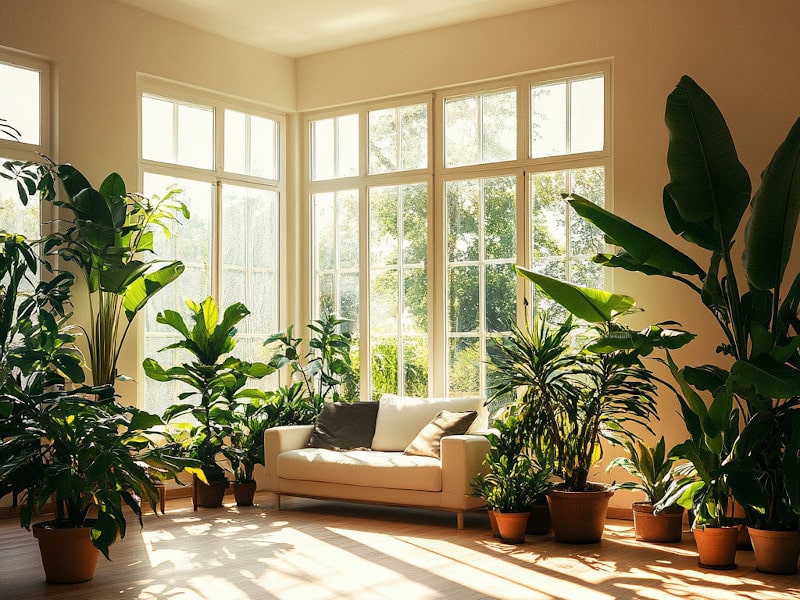
Lastly, we think that added visual appeal is also one of the major reasons why homeowners prefer to invest in south-facing windows and modify them for extended functionality. Imagine enjoying a cup of hot coffee (or hot chocolate) on a sunny but cold day in front of your south-facing window. You can capture the sunrise, or sunset, with that added “spacious” feel inside.
As Tony Wong , Project Manager notes, “ South-facing windows are the unsung heroes of home design, capturing the sun’s warmth and natural light throughout the day, making them a cornerstone for energy efficiency, indoor comfort, and creating a vibrant, inviting space that other window orientations simply can’t match. ”
H3: Improved aesthetics and everyday comfort
South light changes how colours and views read inside the home. Many homeowners choose these rooms for meals, reading, or family time because the space feels connected to the outdoors even in winter.
“South-facing windows are the unsung heroes of home design, capturing the sun’s warmth and natural light throughout the day, making them a cornerstone for energy efficiency, indoor comfort, and creating a vibrant, inviting space that other window orientations simply can’t match,” notes Tony Wong, Project Manager at Canadian Choice Windows & Doors™.
Why this change: Retitles this section for clearer intent/scan fit (live “Challenges of Having South-Facing Windows” → refreshed “Challenges of south-facing windows”) while preserving hierarchy level.
Challenges of Having South-Facing Windows
With the benefits we discussed earlier, there are a few considerable challenges with south-facing windows. One of the first that comes to mind is overheating. If you don’t have a pre-emptive fix for that issue, it could lead to uncomfortable summers.
H2: Challenges of south-facing windows
H3: Overheating in summer
Why this change: Tony Wong: (live): south-facing as design/comfort anchor — retain.
This remains a significant challenge for homeowners with south-facing windows. Why? Well, letting natural light into the home creates an airy and spacious feel. However, it also leads to items like carpets and furniture being a little too hot.
The intense sunlight can increase indoor temperatures which might only be tolerable if you don’t live in a region that faces heatwaves. That’s because, during hotter months, your house could experience an uncomfortable warm environment without proper ventilation.
Not only that, it will also put additional strain on your air conditioning or HVAC system as you bring down the thermostat to stay cool. With that, you will have a quickly deteriorating cooling system with piling energy bills. Therefore, it’s important to have measures that help control the level of south-facing window sunlight.
Large south glass can raise indoor temperatures and push air conditioning harder on peak days. Exterior shading, adjustable treatments, or solar-control glazing usually solve this; clear glass alone often does not.
H3: Glare issues
Why this change: Rewrites this fragment for brand voice, verified CCW facts, and scannability; red = live wording removed, green = replacement to publish.
Most of the time, direct sunlight is desirable and comfortable. This is especially the case during extremely cold months with shorter days. However, too much natural light can lead to excessive brightness and glare. As a result, even the most simple tasks like reading or working on a computer can be a bit challenging.
The glare strains your eyes and creates a very uncomfortable, uninviting environment. This issue is quite common but very easy to solve with the right measures. For instance, Low-E coatings can help retain cold or warm air against outdoor weather conditions.
Direct sun on screens, counters, and glossy floors creates glare that makes reading and remote work harder. Low-E coatings plus adjustable shades address glare while keeping useful daylight.
H3: UV damage to interiors
Why this change: Rewrites this fragment for brand voice, verified CCW facts, and scannability; red = live wording removed, green = replacement to publish.
Next, we have UV rays damaging your favourite carpets and furniture items. While significant glare is a daily annoyance, the risk of UV damage from south-facing windows in summer is another concern. Over time, they will expose the interior to ultraviolet rays.
This can lead to fading on furniture and artwork – a pressing concern for interior decor enthusiasts. Moreover, bright-coloured upholstery can lose color quickly just like wooden floors might develop light patches because of UV damage. As a homeowner, you may realize that this could lead to unexpected costs for restorations or replacements.
Ultraviolet energy fades fabrics, artwork, and wood finishes over time. Coatings that limit fading, treatments during peak sun, and rotating rugs or artwork slow uneven wear without quoting specific block percentages.
Why this change: Retitles this section for clearer intent/scan fit (live “Energy Loss in Winter Nights” → refreshed “Heat loss after sunset”) while preserving hierarchy level. Tightens wording for CCW voice (shorter, plain Canadian English) without changing the underlying technical advice.
Energy Loss in Winter Nights
While this challenge depends on the quality of products installed , it remains a notable concern for homeowners with south-facing windows. If the glass surface is too large and lacks proper insulation, it will allow the warm air to escape more easily after sunset.
With constant heat loss, your HVAC or heating system will be working overtime to keep the place warm and comfortable for you. However, that will drive up energy costs during the coldest months here in Canada. So, consider optimal thermal barriers or properly insulated glass panes with triple-glazing to reduce energy loss.
H3: Heat loss after sunset
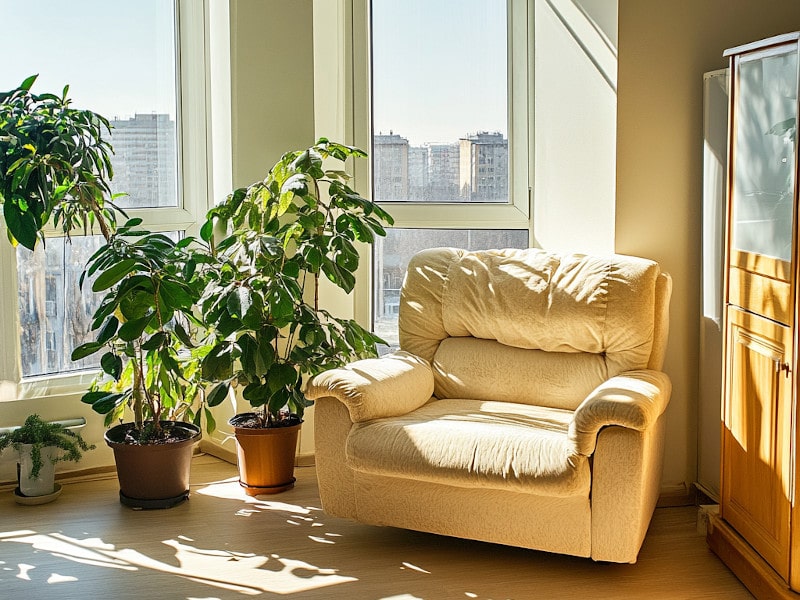
South glass can help on sunny winter days but lose heat quickly once the sun drops if units are leaky, poorly sealed, or single-pane. Better insulated glazing and airtight installation address the night-time side of the same exposure.
Why this change: Retitles this section for clearer intent/scan fit (live “Solutions to Maximize Benefits and Minimize Challenges” → refreshed “South-facing windows pros and cons at a glance”) while preserving hierarchy level.
Solutions to Maximize Benefits and Minimize Challenges
Since you’ve considered the benefits, there are a few practical tips you should know that will help you maximize them. On the other hand, the same tips will also make it relatively easier to deal with the potential setbacks of south-facing windows.
H2: South-facing windows pros and cons at a glance
| Topic | Pros | Cons |
|---|---|---|
| Daylight | Steady natural light most of the day | Can feel too bright without shades |
| Winter comfort | Passive warmth on sunny cold days | Heat loss after dark if glass or seals are weak |
| Summer comfort | Bright, airy rooms | Overheating without shading or solar-control glass |
| Interiors | Vibrant spaces, good for plants | UV fading on fabrics and finishes |
| Energy use | May reduce heating on sunny winter days | Summer cooling load can rise without management |
Why this change: Retitles this section for clearer intent/scan fit (live “Use of Window Treatments” → refreshed “How to maximize benefits and reduce drawbacks”) while preserving hierarchy level.
Use of Window Treatments
The top solution for maximizing the benefits? Use window treatments like thermal blinds and blackout curtains. They may sound like fancy features – and they might be – but they offer you control over how much light and heat you let into your home. You can even go for motorized shades to adjust the light levels with convenient remote controls.
H2: How to maximize benefits and reduce drawbacks
Why this change: Retitles this section for clearer intent/scan fit (live “High-Performance Window Glass” → refreshed “Window treatments you control”) while preserving hierarchy level. Tightens wording for CCW voice (shorter, plain Canadian English) without changing the underlying technical advice.
High-Performance Window Glass
Another solution is going for Low-emissivity ( Low-E ) glass on your south-facing windows. How does that help? With a greater Low-E rating, you can increase heat retention inside the home. In addition, the coating also blocks harmful UV rays, so your interior remains safe from excessive UV damage. As experts, we recommend going for double or triple-pane glass inserts for optimal heat retention.
H3: Window treatments you control
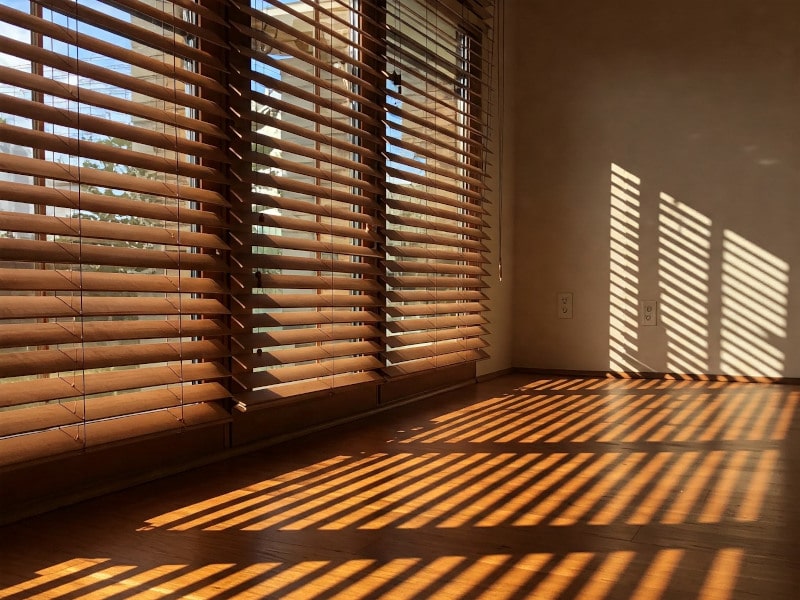
Thermal drapes, roller shades, and motorized blinds let you dial light up or down by season. For many homes, adjustable interior shading is the fastest way to tame glare without blocking all winter gain.
Canadian Choice does not sell window film. Homeowners who choose DIY anti-glare or UV-reducing films should follow manufacturer instructions. Interior treatments remain the most common first step.
Why this change: Retitles this section for clearer intent/scan fit (live “Strategic Landscaping” → refreshed “High-performance glass and Low-E coatings”) while preserving hierarchy level.
Strategic Landscaping
You can prevent excessive sunlight from overheating surfaces or causing fading to furniture by simply planting small trees or flowering species near the windows. Since you’re getting natural sunlight which creates the optimal environment for indoor gardens or even small plant pots, you can filter how much light gets in.
H3: High-performance glass and Low-E coatings
Low-E (low-emissivity) coatings reflect infrared energy while letting visible light through. On south exposures, the right coating stack helps retain winter warmth, limit unwanted summer heat, and reduce fading versus basic clear double-pane units.
Double- and triple-pane insulated glass units add further comfort. Triple pane is often worth weighing in colder regions or on large south walls where night-time heat loss dominates.
Why this change: Retitles this section for clearer intent/scan fit (live “South-Facing Windows in Canadian Homes: Regional Considerations” → refreshed “Strategic landscaping and exterior shading”) while preserving hierarchy level.
South-Facing Windows in Canadian Homes: Regional Considerations
What else should you consider when trying to optimize your south-facing window in Canada? The climate conditions, depending on your location, will affect whether you can effectively utilize your south-facing windows – or not.
If you live in warmer provinces like British Columbia where the summers can be hot, you’ll need window solutions for UV-blocking and efficient ventilation. Take Vancouver, for example, That’s where south-facing windows are a good investment for creating natural, sunlit ambiances during overcast seasons (if you don’t already have them). And that too, without overheating and glare.
However, in colder regions like Alberta or the Yukon, you will have to focus more on the passive heating benefits. In Calgary, for instance, you can enjoy south-facing windows because they’ll help you let natural warmth into the house. Hence, contributing to heating cost reduction with better insulation.
H3: Strategic landscaping and exterior shading
Deciduous trees, pergolas, and deep overhangs block high summer sun while still allowing lower winter sun to reach the glass. Even simple fixes help: extend eaves where design allows or use awnings on patio doors.
Why this change: Retitles this section for clearer intent/scan fit (live “The Role of Professional Window Solutions” → refreshed “Regional considerations for south-facing windows in Canada”) while preserving hierarchy level.
The Role of Professional Window Solutions
Why invest in a professional window installation and replacement service? For one, you will have excellent warranties and long-term customer care if you go with Canadian Choice. In addition, you will enjoy reliable installation and maintenance to keep your windows performing for longer, with greater satisfaction.
H2: Regional considerations for south-facing windows in Canada
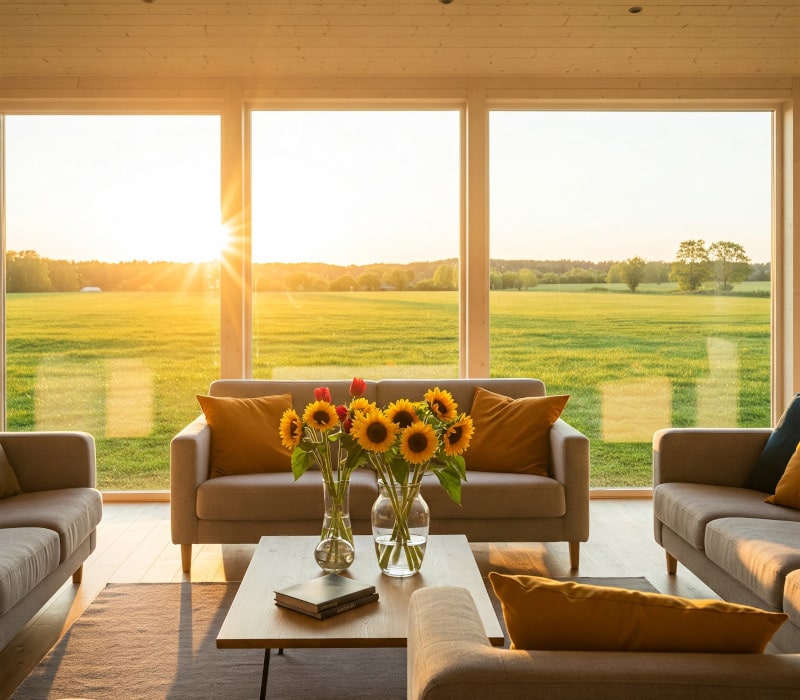
Coastal British Columbia: Summers can be warm while winters stay overcast. South light improves brightness during grey seasons, but solar-control glazing and operable shading still matter on clear summer weeks.
Prairies, Ontario, Quebec, and Atlantic Canada: Long cold seasons make passive winter gain valuable in main living areas. Prioritize insulated frames, warm-edge spacers, and triple-pane options where overnight heat loss is noticeable.
Far north communities: Winter gain is welcome, but extreme cold makes frame quality and installation detail critical. Small air leaks at the rough opening erase orientation benefits quickly.
Why this change: Adds the verified 25-year transferable warranty only where a product solution is mentioned — required CCW fact; never “lifetime.” Keeps the already-live expert quote (Helen/Tony) — not newly invented — and formats it as a proper quote block with the author about-page link. Retitles this section for clearer intent/scan fit (live “Why Choose High-Quality Windows” → refreshed “When upgraded windows are worth considering”) while preserving hierarchy level.
Why Choose High-Quality Windows
When you opt for high-quality windows, such as premium south-facing windows for sunlight, you can take care of multiple issues at once. Take energy efficiency, for example. You will have natural sunlight pouring in which will create a sunlit ambiance while offering passive heating.
The benefit? Less strain on your HVAC. Here’s what Helen Sin, Consumer Success Manager at Canadian Choice Windows & Doors , has to say:
“ Most windows focus on excelling in just one area, whether it’s advanced glass units, foam-filled frames, or upgraded hardware. At Canadian Choice, our DraftLOCK windows are designed to do it all — combining premium glass, energy-efficient frames, and top-tier hardware into one exceptional product. We don’t settle for trade-offs; we deliver windows that excel in every category. With DraftLOCK, you get the ultimate combination of performance, durability, and comfort. ”
So, choose premium windows to simultaneously get two benefits – higher comfort and peace of mind knowing that your investment will generate a positive return in the form of energy bill savings.
H2: When upgraded windows are worth considering
Treatments and landscaping solve many day-to-day issues. Replacement becomes the stronger path when south rooms still overheat or feel cold after dark despite good habits, especially with failed seals, drafts, or cold interior glass.
Canadian Choice Windows & Doors™ supplies uPVC casement windows built for Canadian climates. Properly installed units improve airtightness and pair with Low-E glazing suited to south exposure. Product coverage includes a 25-year transferable warranty.
“Most windows focus on excelling in just one area, whether it’s advanced glass units, foam-filled frames, or upgraded hardware. At Canadian Choice, our DraftLOCK windows are designed to do it all, combining premium glass, energy-efficient frames, and top-tier hardware into one exceptional product. We don’t settle for trade-offs; we deliver windows that excel in every category. With DraftLOCK, you get the ultimate combination of performance, durability, and comfort,” explains Helen Sin, Consumer Success Manager at Canadian Choice Windows & Doors™.
Even strong products need strong installation. Gaps at the rough opening or poor perimeter sealing let heat move regardless of orientation.
Why this change: Retitles this section for clearer intent/scan fit (live “Partnering with Canadian Choice Windows & Doors” → refreshed “Plan south-facing windows with clear priorities”) while preserving hierarchy level. Tightens wording for CCW voice (shorter, plain Canadian English) without changing the underlying technical advice.
Partnering with Canadian Choice Windows & Doors
Team up with us, if you want to get the best windows for south-facing placement. We have custom solutions, where you get bespoke window designs (including unique shapes and sizes with colour varieties).
You have options ranging from insulation frames to low-E glass coatings which are specifically for maximizing benefits and minimizing the challenges of south-facing windows . And more importantly, our team is always on standby, ready to assist in case you require:
- Free Consultation
- Free Quote
- Maintenance Schedule
- On-Site Inspection
Let our experts help you customize the perfect solution for your home. Take the first step toward transforming your living space, and explore the best options for you.
Book a Free Consultation
H2: Plan south-facing windows with clear priorities
South-facing glass is a tool, not a guarantee. Match glazing, shading, and installation to how you use the room, then adjust seasonally.
If you want a clear read on your openings before you spend on treatments or replacement, Canadian Choice Windows & Doors™ can assess the room, explain options without pressure, and help you decide whether shading, sealing, or new uPVC casement units are the sensible next step.
The trusted choice. Canadian made.
H2: FAQs
H3: Do south-facing windows always cause overheating?
Why this change: Tightens wording for CCW voice (shorter, plain Canadian English) without changing the underlying technical advice.
No, not necessarily. It depends on the level of window treatments you get and whether or not you have high-performance glass in place. If you pair those features with strategic landscaping, you can easily manage overheating to enjoy natural light.
No. Overheating shows up most when glass area is large, coatings are basic, and shading stays open through summer afternoons. Adjustable treatments, exterior shading, and solar-control Low-E glazing usually keep rooms bright without constant heat buildup.
H3: How can I reduce glare from south-facing windows?
Why this change: Tightens wording for CCW voice (shorter, plain Canadian English) without changing the underlying technical advice.
Try installing motorized shades – or blinds. That way, you can adjust light levels as you like. With anti-glare window films, you will also be able to reduce discomfort.
Use sheer plus blackout shades, adjustable blinds, and Low-E glass that cuts harsh direct sun. Plan shade position for the times you actually use the room, not only at noon.
H3: Is upgrading south-facing windows worth it in colder climates?
Why this change: Rewrites this fragment for brand voice, verified CCW facts, and scannability; red = live wording removed, green = replacement to publish.
Yes, absolutely! If you live in colder regions, you should consider upgrading south-facing windows to get the most out of passive solar heating. Firstly, it will reduce the reliance on your heating system (or HVAC) during sunny winter days. Secondly, if you get proper insulation, you can keep them energy-efficient at night.
Often yes, when existing units are leaky or cold to the touch. Better insulated glass and airtight installation help you keep daytime solar gain while reducing overnight heat loss.
H3: How can I protect my interiors from UV damage?
Why this change: Tightens wording for CCW voice (shorter, plain Canadian English) without changing the underlying technical advice.
The best strategy for that is upgrading the south-facing window with either a Low-E glass or UV-blocking window films – or maybe, both! These features prevent fading, so you won’t have to worry about your flooring and furniture.
Start with Low-E glazing that limits fading, then use treatments during peak sun. DIY window films are a homeowner choice; Canadian Choice does not supply or install film.
H3: Can I increase energy efficiency with south-facing windows?
Why this change: Tightens wording for CCW voice (shorter, plain Canadian English) without changing the underlying technical advice.
To a noticeable extent, yes. You will be enjoying passive heat and natural lighting (so no artificial lighting for a few hours either). If you want, you can go for some of the following features to increase the energy efficiency of your windows:
- Double panes
- Triple panes
- Low-E coatings
- Premium-quality insulation
- Professional window treatment
Better frames, sealed installation, operable shading, and appropriate pane count reduce wasted heating and cooling energy. Passive winter light can lower daytime heating demand on sunny days, but results vary and should not be reduced to a single savings number.