
SEO title: South-Facing Windows in Canada: Pros, Cons, and Planning Tips
Meta description: Learn the pros and cons of south-facing windows in Canadian homes, from passive winter heat and daylight to summer glare and UV fade, plus practical ways to balance comfort.
URL slug: <https://www.windowscanada.com/whitepages/advantages-and-challenges-of-south-facing-windows.html> (unchanged)
South-facing windows can be one of the best daylight and winter-comfort assets in a Canadian home, but only when glazing, shading, and installation match the exposure.
South-facing glass sees the sun track across the sky for most of the day. In winter, a lower sun angle lets more solar energy reach living spaces. In summer, a higher angle can still deliver strong light, which is why south-facing windows Canada homeowners weigh south facing windows pros and cons together.
Orientation does not replace good products or installation. Even well-placed windows underperform when frames leak air, coatings are outdated, or shading is missing.
South exposure delivers steady daylight through short Canadian winters. You may rely less on artificial lighting in kitchens, living rooms, and home offices and get a brighter, more open feel without running lamps all day.
Direct winter sun warms interior surfaces and can reduce heating demand on sunny cold days. Results vary by home size, insulation, and fuel type, so this guide stays qualitative rather than quoting savings percentages.
Herbs, succulents, and many flowering houseplants thrive with consistent light. South sills and bay areas often become indoor garden zones without grow lights.
South light changes how colours and views read inside the home. Many homeowners choose these rooms for meals, reading, or family time because the space feels connected to the outdoors even in winter.
“South-facing windows are the unsung heroes of home design, capturing the sun’s warmth and natural light throughout the day, making them a cornerstone for energy efficiency, indoor comfort, and creating a vibrant, inviting space that other window orientations simply can’t match,” notes Tony Wong, Project Manager at Canadian Choice Windows & Doors™.
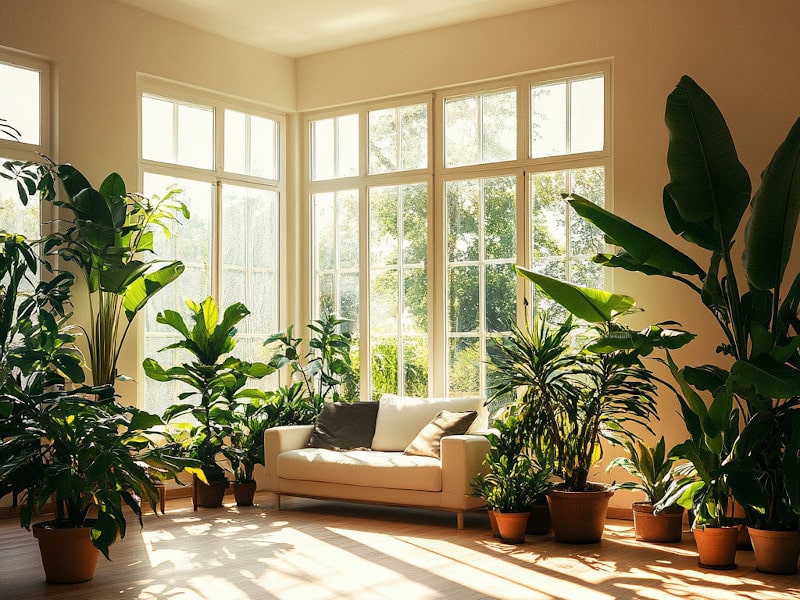
Large south glass can raise indoor temperatures and push air conditioning harder on peak days. Exterior shading, adjustable treatments, or solar-control glazing usually solve this; clear glass alone often does not.
Direct sun on screens, counters, and glossy floors creates glare that makes reading and remote work harder. Low-E coatings plus adjustable shades address glare while keeping useful daylight.
Ultraviolet energy fades fabrics, artwork, and wood finishes over time. Coatings that limit fading, treatments during peak sun, and rotating rugs or artwork slow uneven wear without quoting specific block percentages.
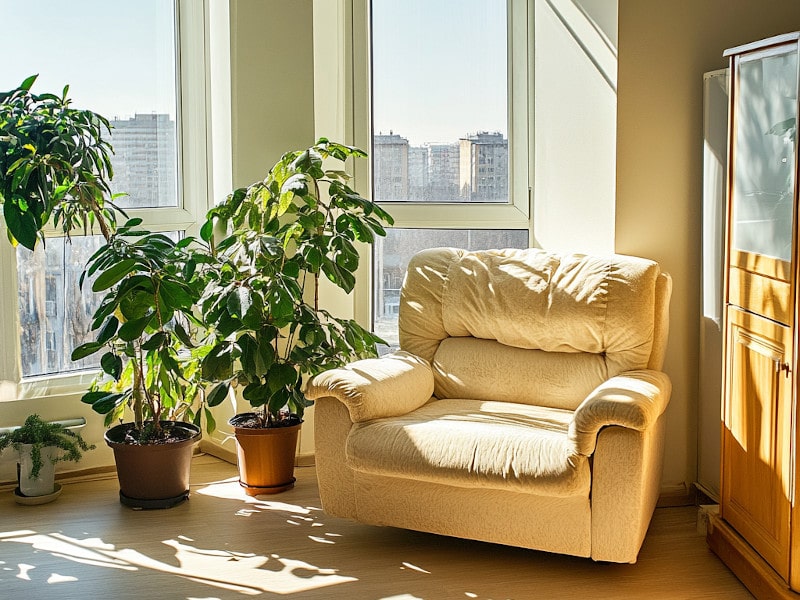
South glass can help on sunny winter days but lose heat quickly once the sun drops if units are leaky, poorly sealed, or single-pane. Better insulated glazing and airtight installation address the night-time side of the same exposure.
| Topic | Pros | Cons |
|---|---|---|
| Daylight | Steady natural light most of the day | Can feel too bright without shades |
| Winter comfort | Passive warmth on sunny cold days | Heat loss after dark if glass or seals are weak |
| Summer comfort | Bright, airy rooms | Overheating without shading or solar-control glass |
| Interiors | Vibrant spaces, good for plants | UV fading on fabrics and finishes |
| Energy use | May reduce heating on sunny winter days | Summer cooling load can rise without management |
Thermal drapes, roller shades, and motorized blinds let you dial light up or down by season. For many homes, adjustable interior shading is the fastest way to tame glare without blocking all winter gain.
Canadian Choice does not sell window film. Homeowners who choose DIY anti-glare or UV-reducing films should follow manufacturer instructions. Interior treatments remain the most common first step.
Low-E (low-emissivity) coatings reflect infrared energy while letting visible light through. On south exposures, the right coating stack helps retain winter warmth, limit unwanted summer heat, and reduce fading versus basic clear double-pane units.
Double- and triple-pane insulated glass units add further comfort. Triple pane is often worth weighing in colder regions or on large south walls where night-time heat loss dominates.
Deciduous trees, pergolas, and deep overhangs block high summer sun while still allowing lower winter sun to reach the glass. Even simple fixes help: extend eaves where design allows or use awnings on patio doors.
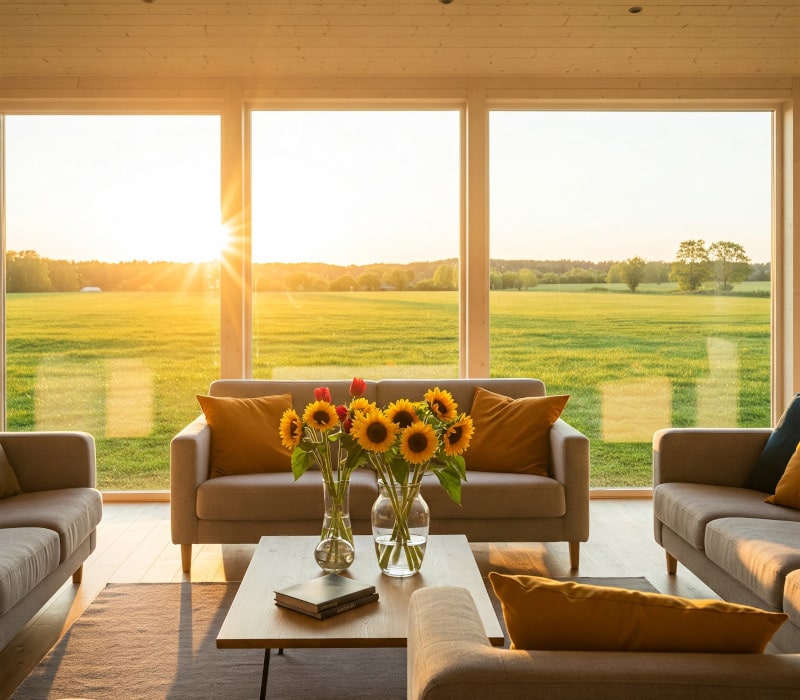
Coastal British Columbia: Summers can be warm while winters stay overcast. South light improves brightness during grey seasons, but solar-control glazing and operable shading still matter on clear summer weeks.
Prairies, Ontario, Quebec, and Atlantic Canada: Long cold seasons make passive winter gain valuable in main living areas. Prioritize insulated frames, warm-edge spacers, and triple-pane options where overnight heat loss is noticeable.
Far north communities: Winter gain is welcome, but extreme cold makes frame quality and installation detail critical. Small air leaks at the rough opening erase orientation benefits quickly.
Treatments and landscaping solve many day-to-day issues. Replacement becomes the stronger path when south rooms still overheat or feel cold after dark despite good habits, especially with failed seals, drafts, or cold interior glass.
Canadian Choice Windows & Doors™ supplies uPVC casement windows built for Canadian climates. Properly installed units improve airtightness and pair with Low-E glazing suited to south exposure. Product coverage includes a 25-year transferable warranty.
“Most windows focus on excelling in just one area, whether it’s advanced glass units, foam-filled frames, or upgraded hardware. At Canadian Choice, our DraftLOCK windows are designed to do it all, combining premium glass, energy-efficient frames, and top-tier hardware into one exceptional product. We don’t settle for trade-offs; we deliver windows that excel in every category. With DraftLOCK, you get the ultimate combination of performance, durability, and comfort,” explains Helen Sin, Consumer Success Manager at Canadian Choice Windows & Doors™.
Even strong products need strong installation. Gaps at the rough opening or poor perimeter sealing let heat move regardless of orientation.
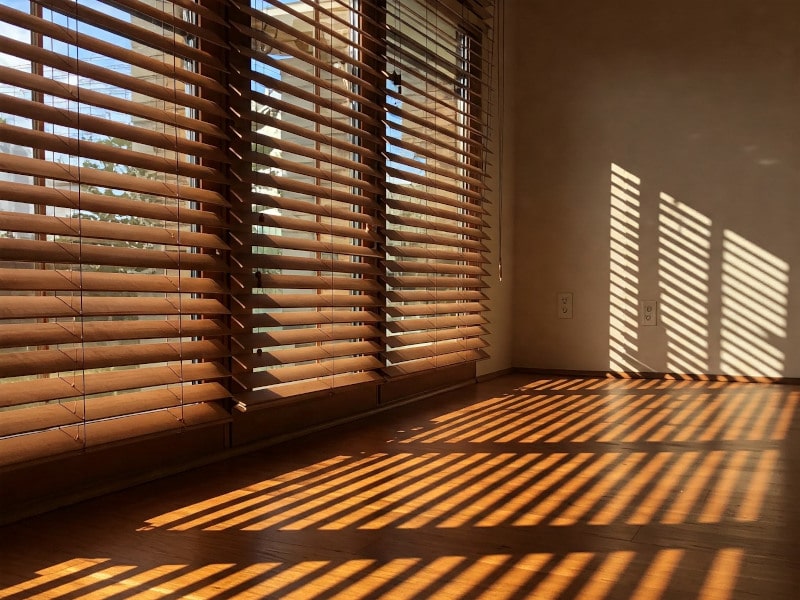
South-facing glass is a tool, not a guarantee. Match glazing, shading, and installation to how you use the room, then adjust seasonally.
If you want a clear read on your openings before you spend on treatments or replacement, Canadian Choice Windows & Doors™ can assess the room, explain options without pressure, and help you decide whether shading, sealing, or new uPVC casement units are the sensible next step.
The trusted choice. Canadian made.
No. Overheating shows up most when glass area is large, coatings are basic, and shading stays open through summer afternoons. Adjustable treatments, exterior shading, and solar-control Low-E glazing usually keep rooms bright without constant heat buildup.
Use sheer plus blackout shades, adjustable blinds, and Low-E glass that cuts harsh direct sun. Plan shade position for the times you actually use the room, not only at noon.
Often yes, when existing units are leaky or cold to the touch. Better insulated glass and airtight installation help you keep daytime solar gain while reducing overnight heat loss.
Start with Low-E glazing that limits fading, then use treatments during peak sun. DIY window films are a homeowner choice; Canadian Choice does not supply or install film.
Better frames, sealed installation, operable shading, and appropriate pane count reduce wasted heating and cooling energy. Passive winter light can lower daytime heating demand on sunny days, but results vary and should not be reduced to a single savings number.